
Places Not Spaces
Creating game environments that feel authentic

The idea of places, not spaces, is something I heard recently from pixel artist and YouTuber Adam C. Younis. He is currently working on his game Insignia, and in a recent video, he mentioned that he was going through his entire game and turning all the spaces in his world into places.
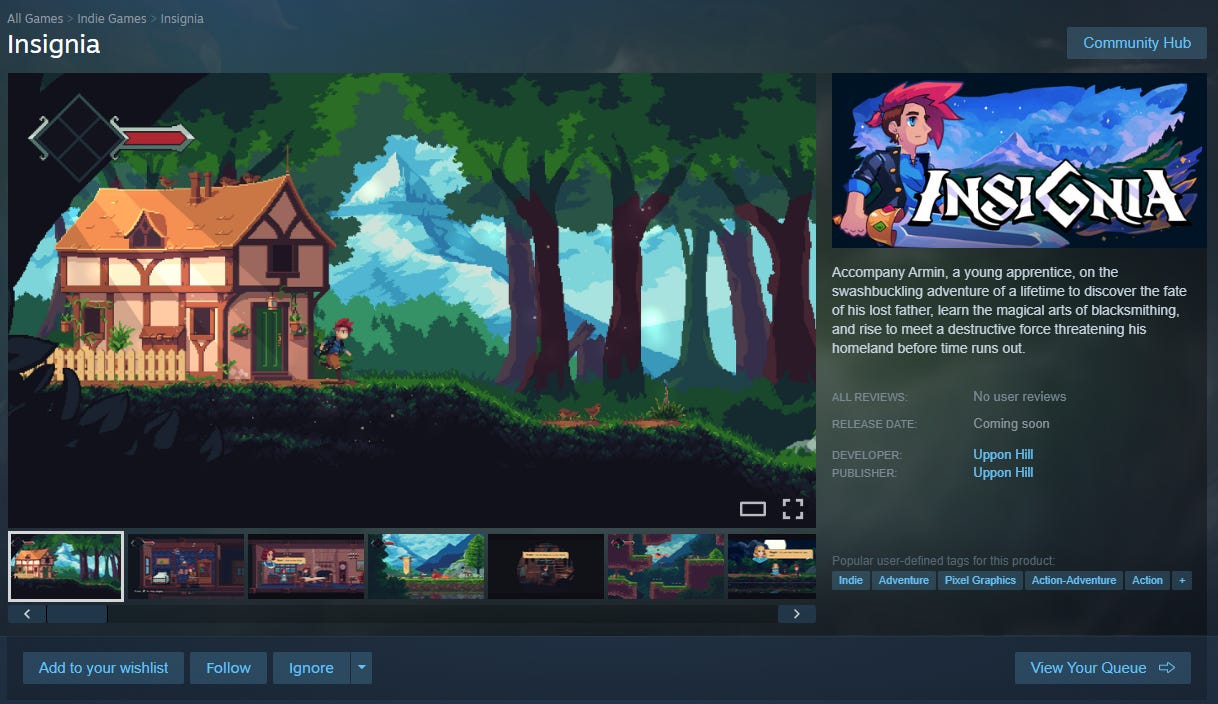
It is a simple concept, but one I find myself returning to again and again.
When building larger games, I have often heard developers talk about having game design pillars, core ideas they can always reference to remind themselves what the game is really about. If you are doing something that does not bring you closer to those overarching pillars, you are probably going off track.
I have always liked this idea and have tried to come up with pillars for my own games. For Druids Crown, it was Coop, Platforming, and Nature. For Brawlberry, it was Boss Rush, Multiplayer, and Hades.
More recently, though, I have started thinking about pillars in a broader sense, not as something defined per game, but as pillars for game creation itself. Pillars that reinforce the lessons we have learned from each project, and that gently push us toward the kinds of games we actually want to see made.
“Places not spaces” is the first of these that I want to set firmly into the foundations of our work.
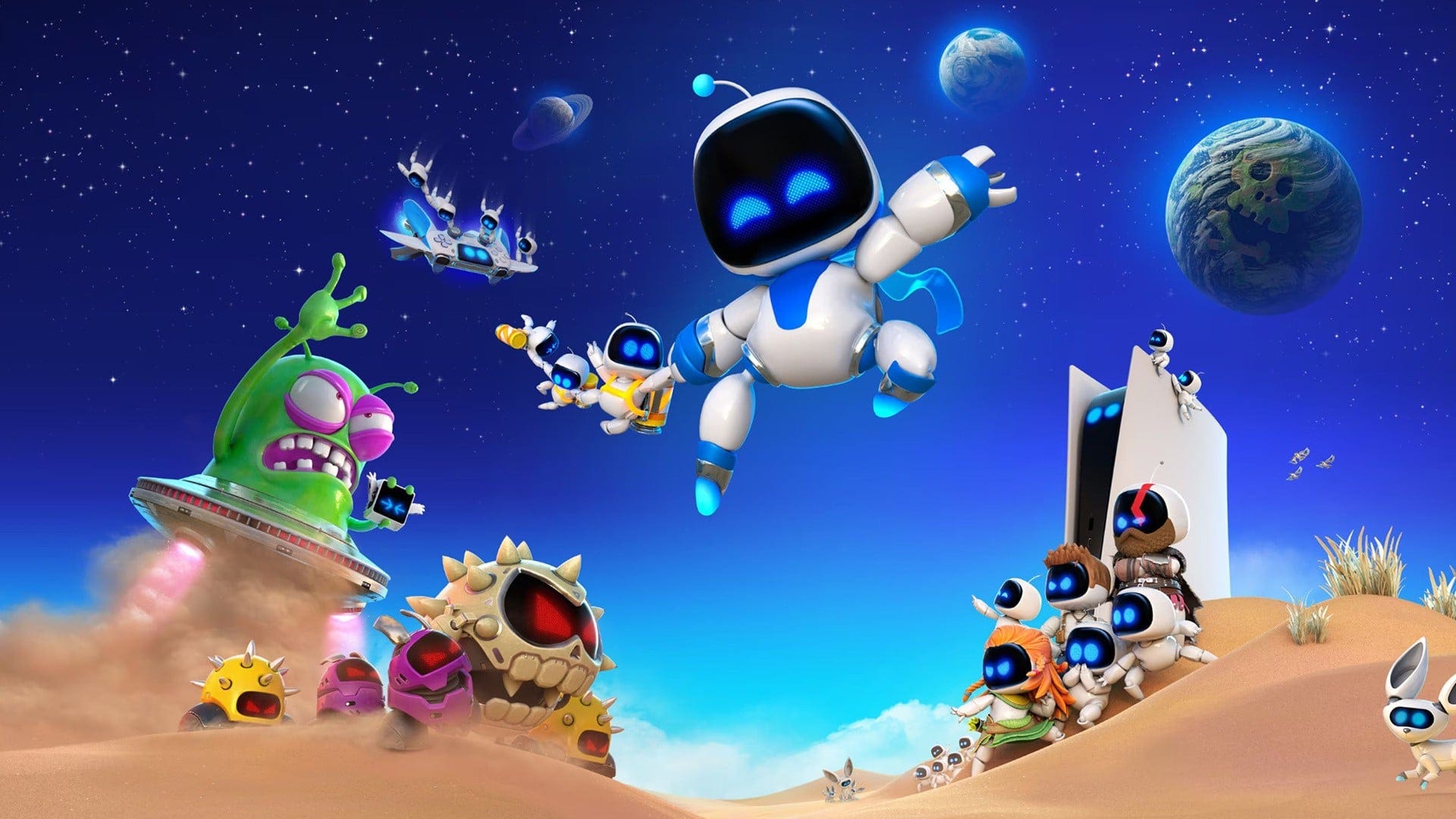
This idea actually started forming during the making of Druid’s Crown, our coop 3D platformer. After playing Split Fiction, It Takes Two, and Astro Bot, I became enamoured with the density of content they offer. In Astro Bot, everything does something; everything you hit has some smart or fun animation tied to it. In Split Fiction, mechanics are introduced and discarded with abandon. Nothing overstays its welcome. At first, I described this pillar simply as density.
But as we built Druid’s Crown, the growing size of our platforming tree made something else clear. Scale and emptiness have just as much of a place in our games as density does. That is when “Places not spaces” finally snapped into focus.
When navigating a space in a game, you are usually just going from A to B. The space itself is an annoyance, an obstacle between you and a place of interest. A duplicated corridor in an FPS is a perfect example. We do not care about it. We do not know who uses it, why it exists, or what it is for. There is no story attached to it. We just kill the enemies in it and pass through to the next challenge.
A place, on the other hand, has character. It has a story. It has a vibe.
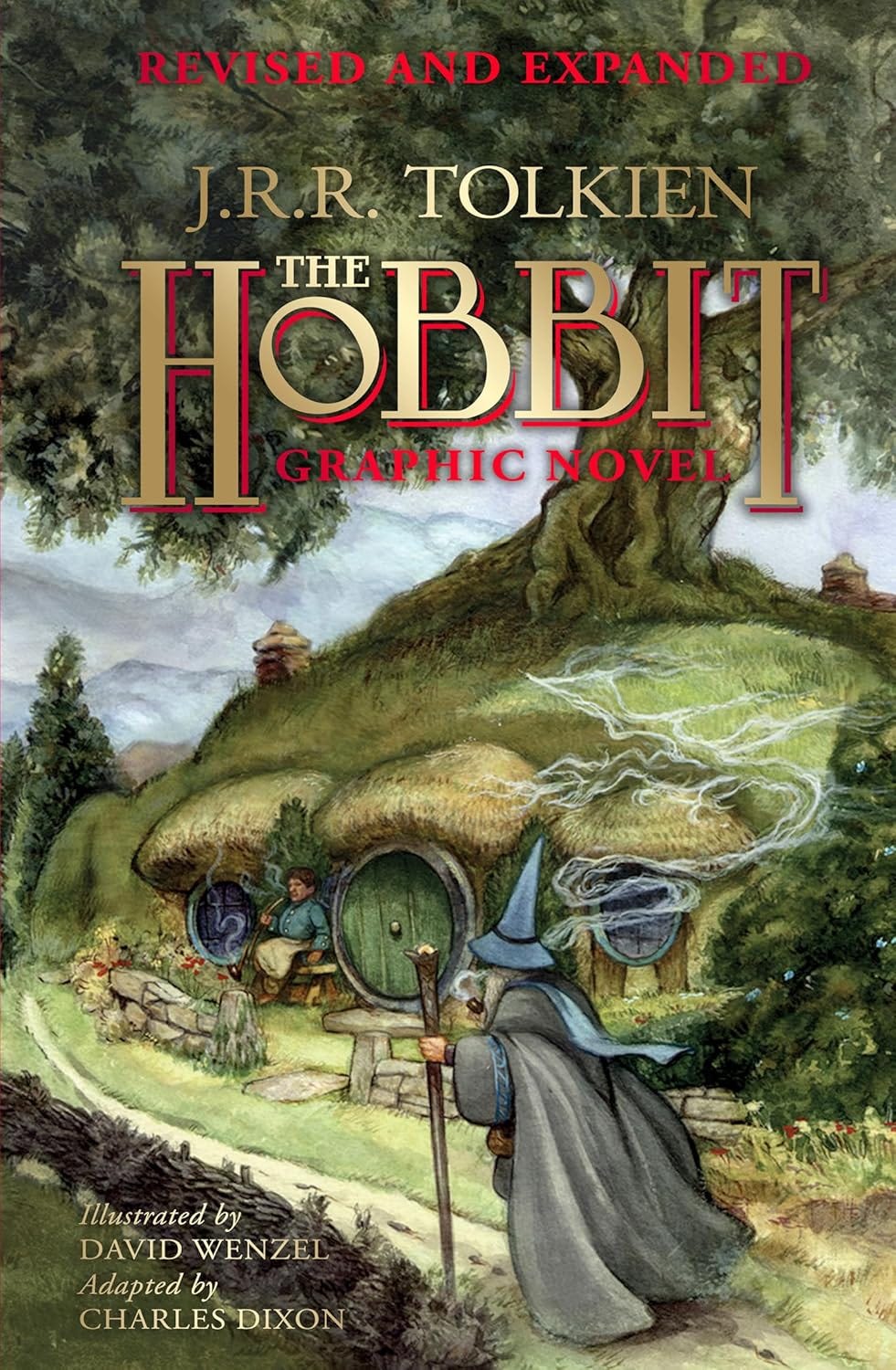
Hobbiton is a place. We all know it. We can feel it. Every time I watch The Lord of the Rings, I never want to leave Hobbiton. That is the kind of experience I want to create. I want to make games where the story is not just told, it is felt.
This is harder than it sounds. Level creation is full of conflicting requirements. Do you need space to introduce new enemies? New mechanics? New skills to test? Greyboxing ( Early stage level creation ), by its very nature, leans toward creating spaces because of its low fidelity. Can a place even exist without the set dressing that creates ambience?
For me, it now comes down to initial intention.
While greyboxing a level for Flowstrike, our VR trick sword game, I had the pleasure of blocking out an indoor environment. Keeping places, not spaces, in mind, I started asking different questions. What does the front of this building look like? Where do you go next? How does this connect to offices and the canteen? Where are the toilets?
Suddenly, the greybox had a different meaning. I was not just laying out geometry. I was creating a lived-in environment. And even though, for now, it quite literally is just space, I have left room for it to become a place.
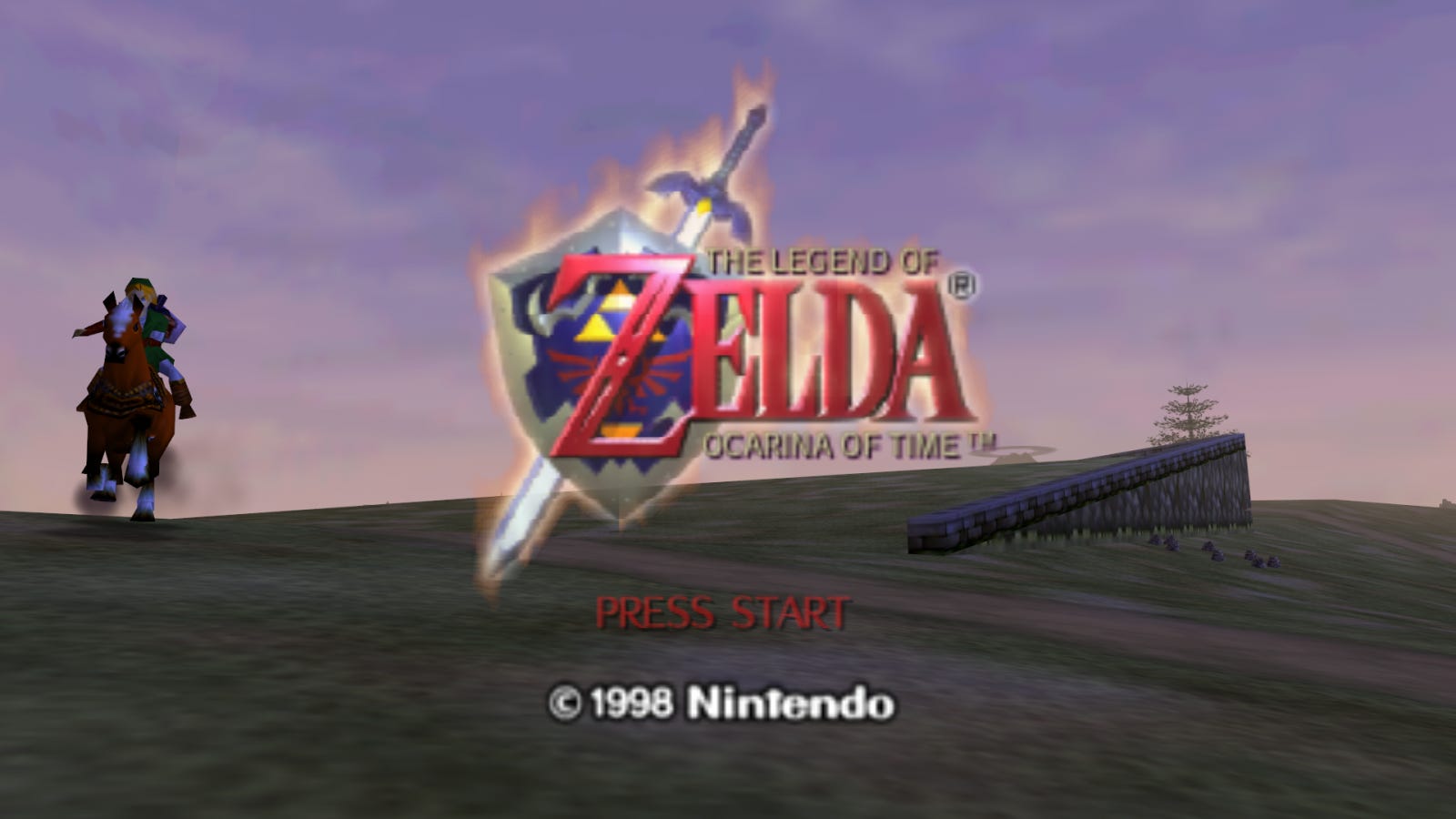
In a small prototype Zelda-like game I’m making, I've limited myself to 4 scenes, where I am trying to pack as much as I can into those 4 spaces, and the results have been great so far! In fact, Ocarina of Time is a great example of “Places not spaces”. While researching the game, I was watching one of those YouTube retrospective video essays when they noted, “Ocarina was a game you had nostalgia for while playing for the first time”.
I believe this new pillar has already led to better results in our games, and I am excited to keep pushing this philosophy forward. As for what other pillars we will end up adopting, we will have to see.